FIFA Club World Cup - Get in the Game
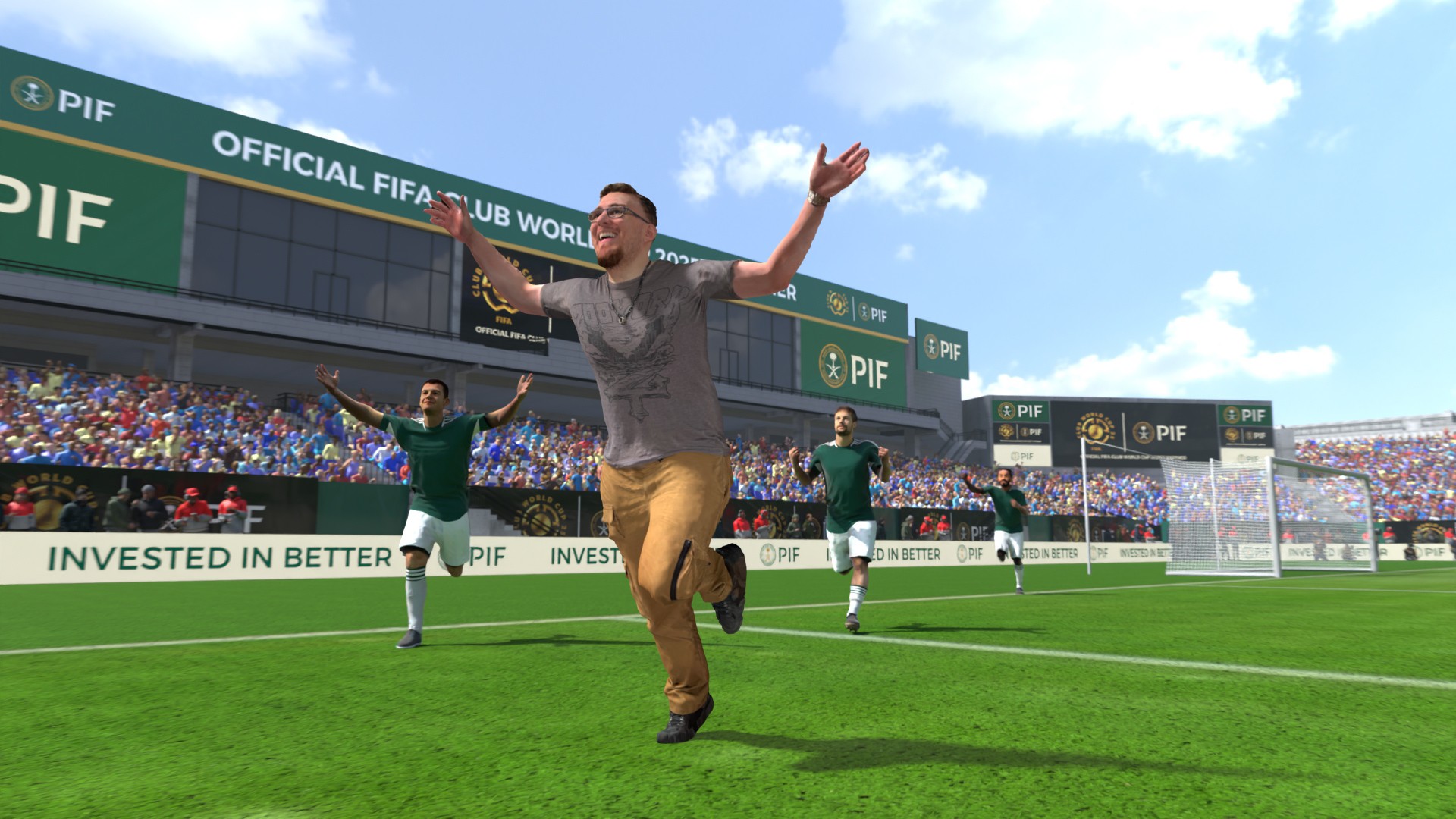
Walk into a scanner at the Club World Cup. Walk out as the person who scored the winning goal.
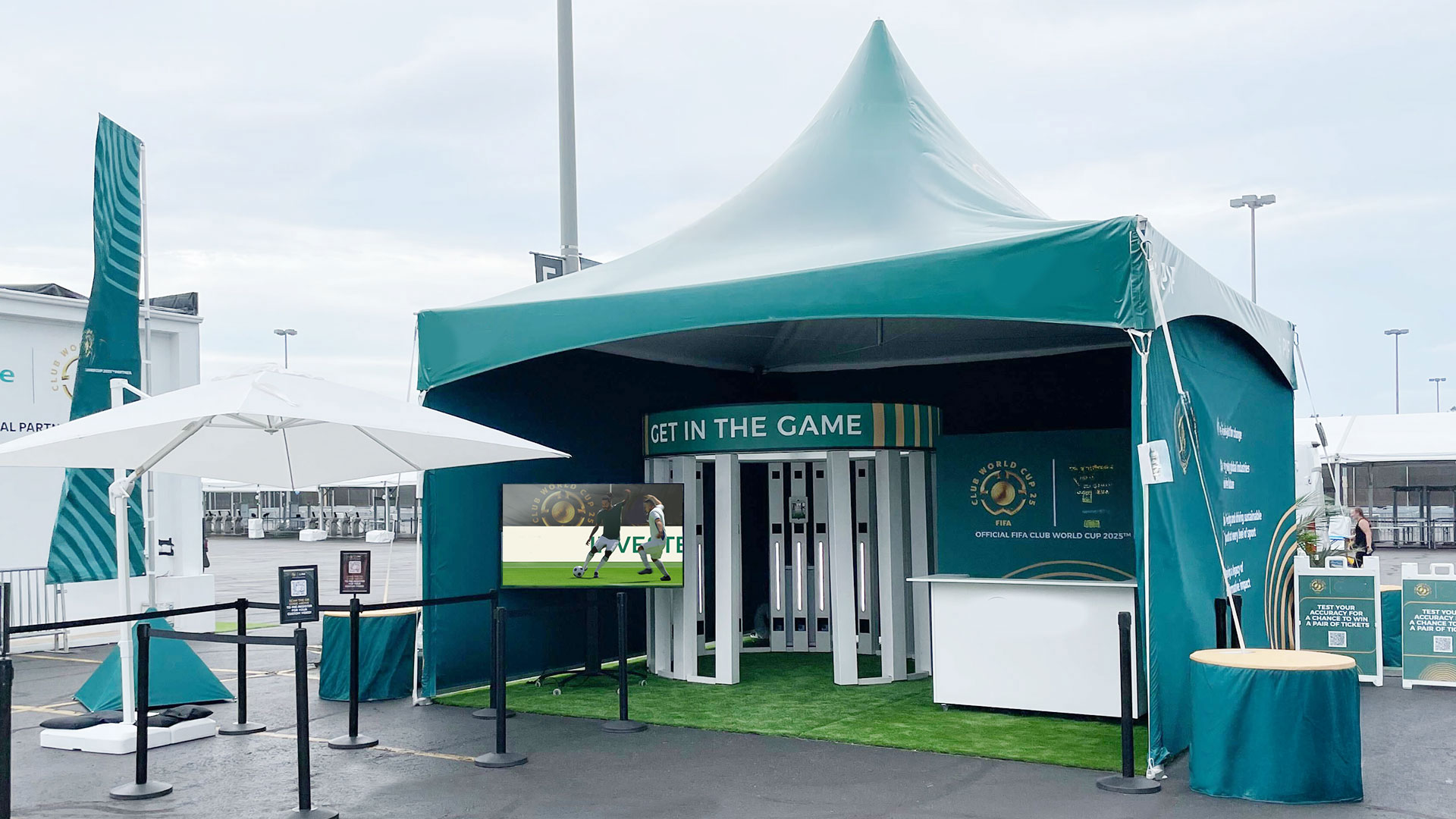
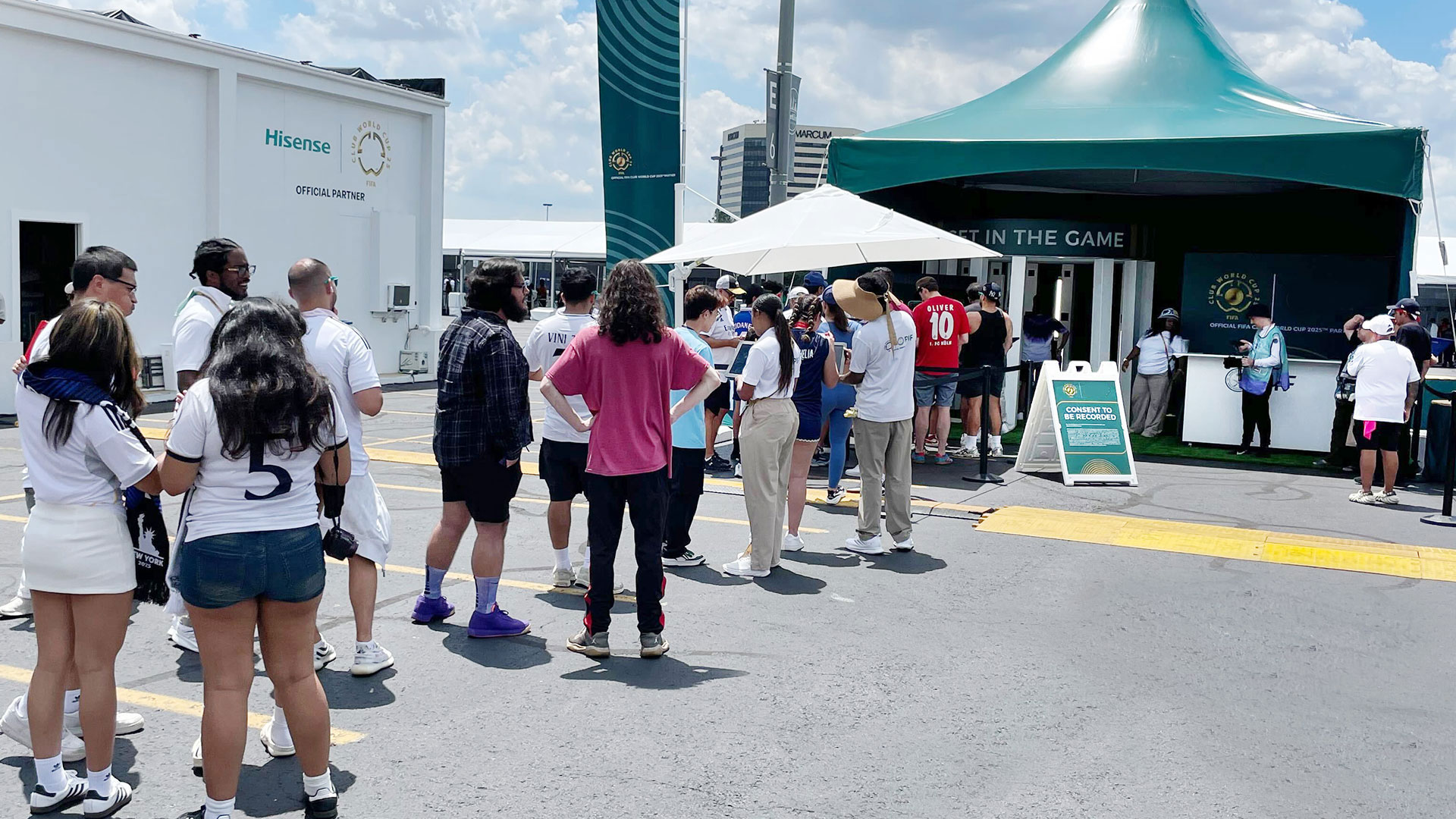
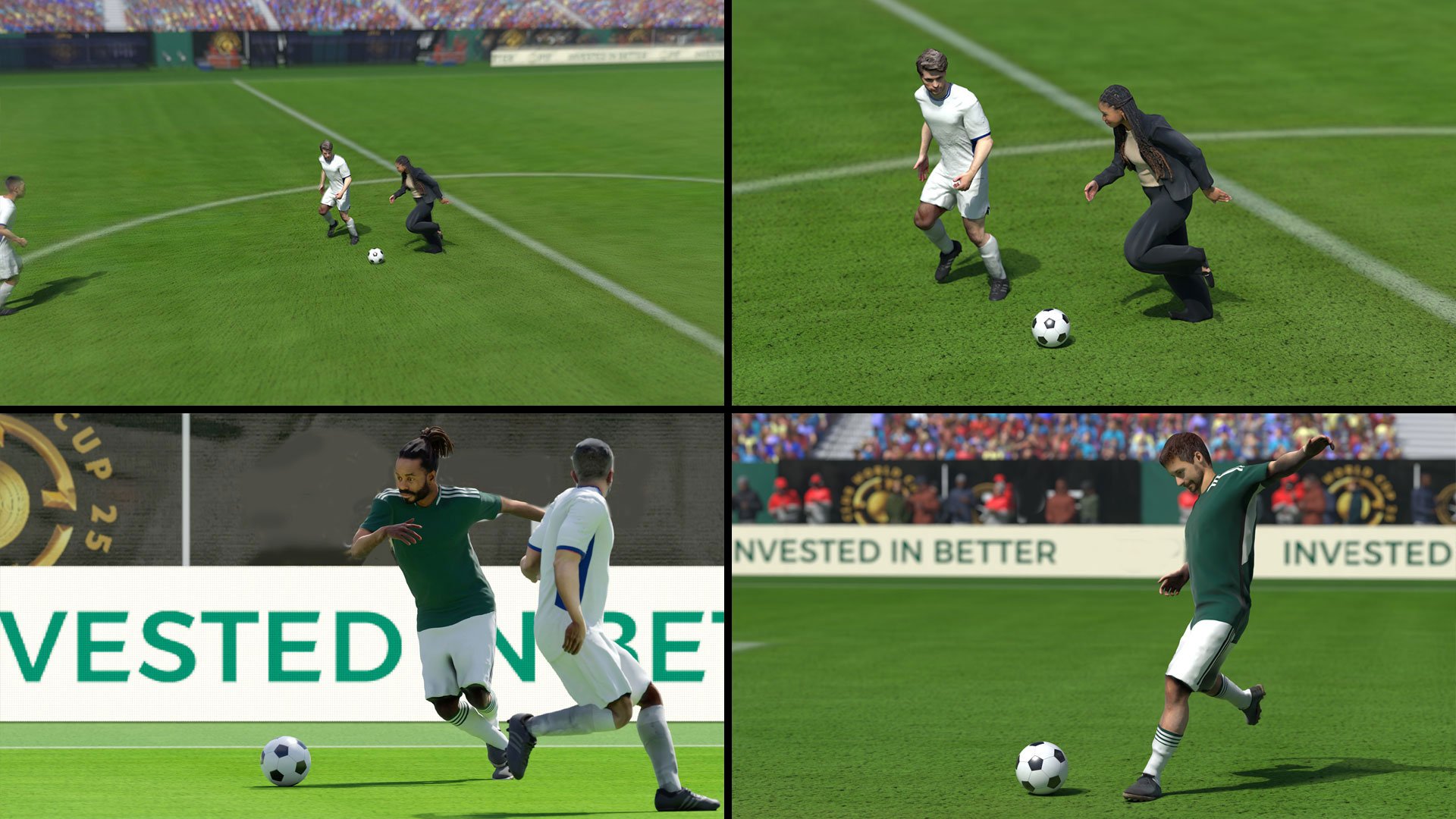
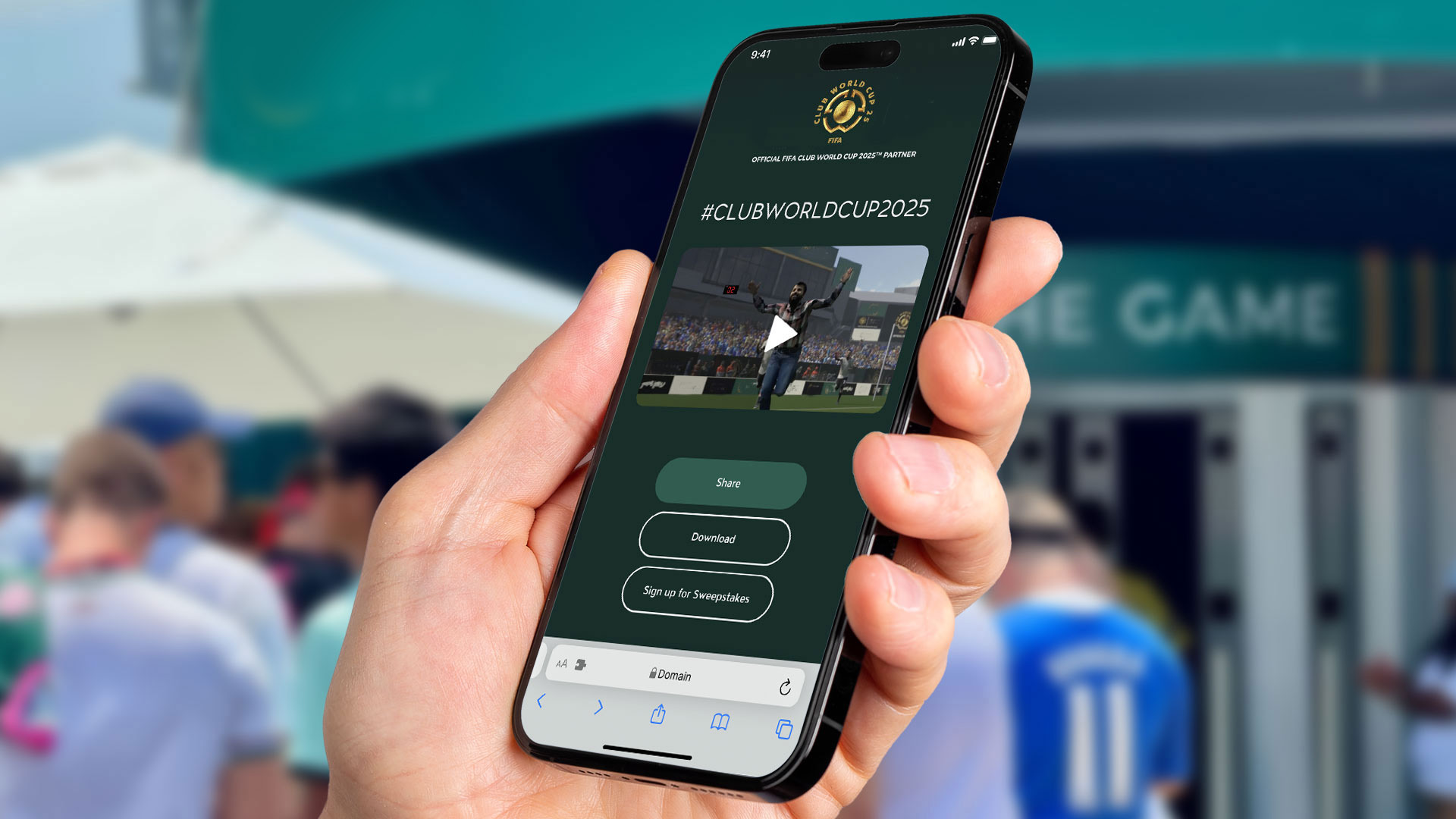
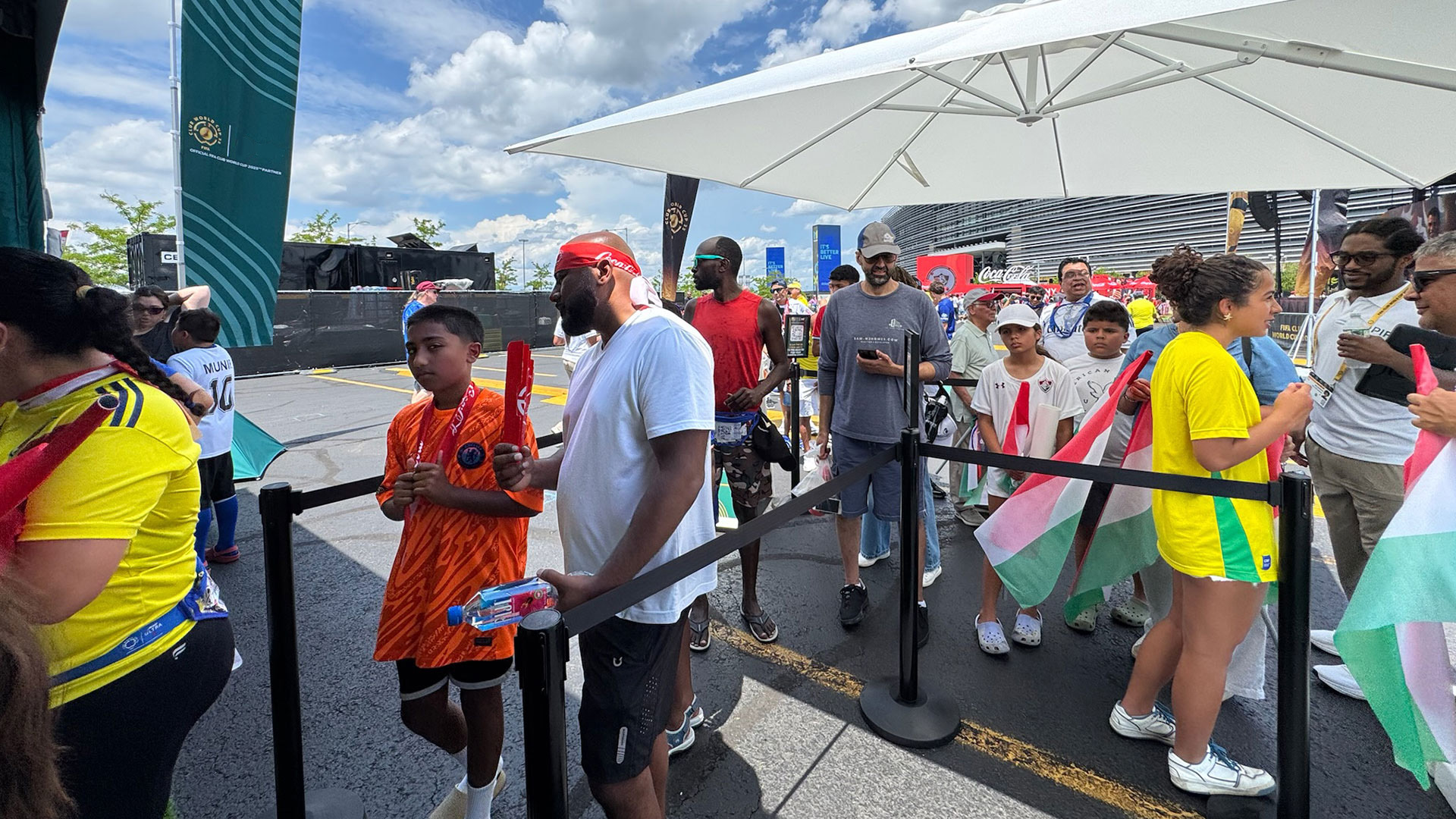




At MetLife Stadium, during the 2025 FIFA Club World Cup, fans registered on their phone, stepped into the XR Avatar Scanner, and a few minutes later got a text with a video of themselves dribbling through a defense and heading in the game-winning goal.
The studio ran the activation over three match days. Hundreds of fans went through. The public case study is on Groove Jones. My job was the Blender path that turned a scan into that video, reliably, while the stadium was full.
What shipped
What I did
By FIFA, I already had a working scan-to-avatar foundation from the live-event systems I had been building. The job here was not to reinvent that work. It was to make the pipeline fit this activation exactly, keep the useful parts modular, and make sure the whole thing could survive a stadium weekend.
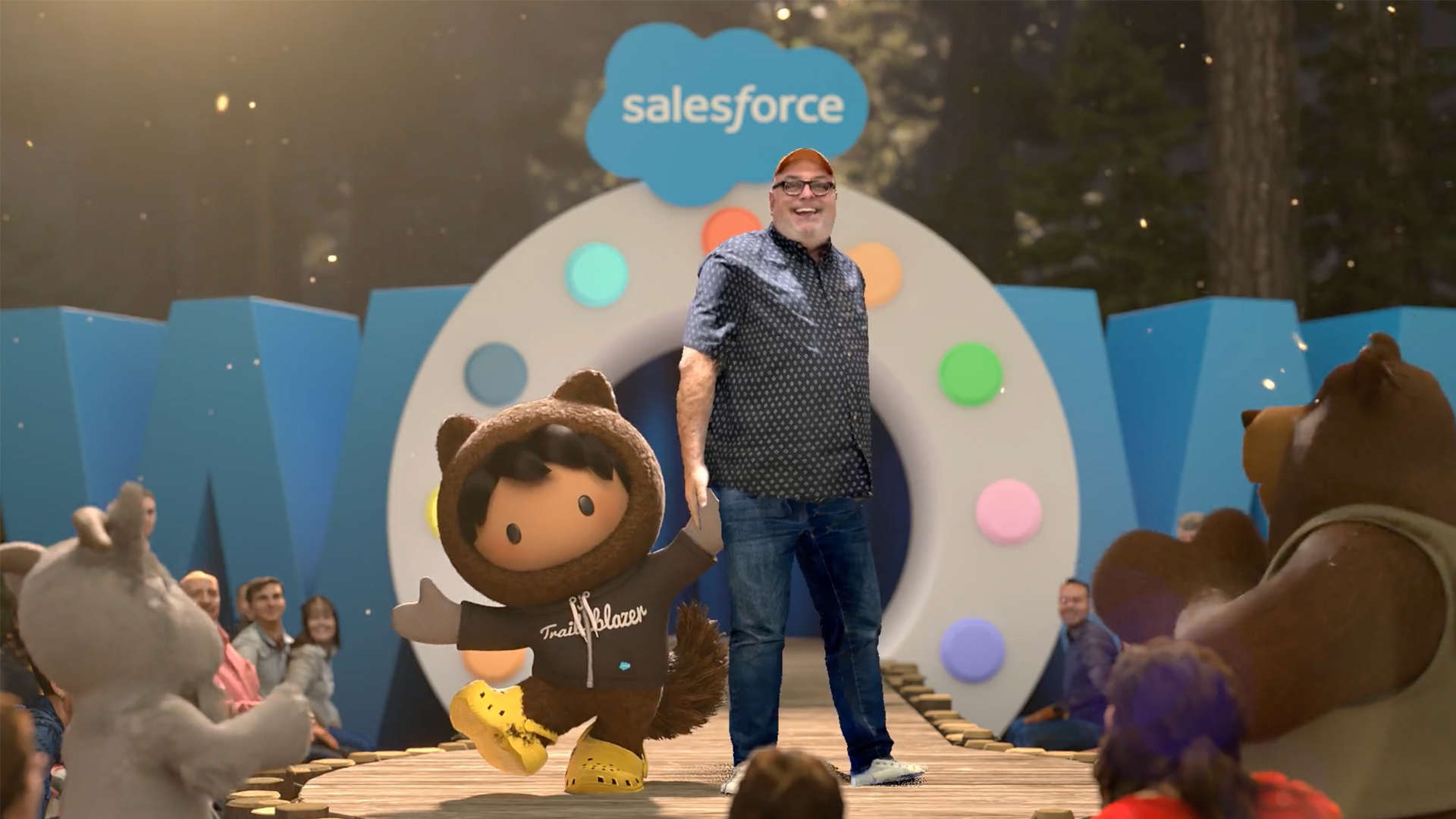
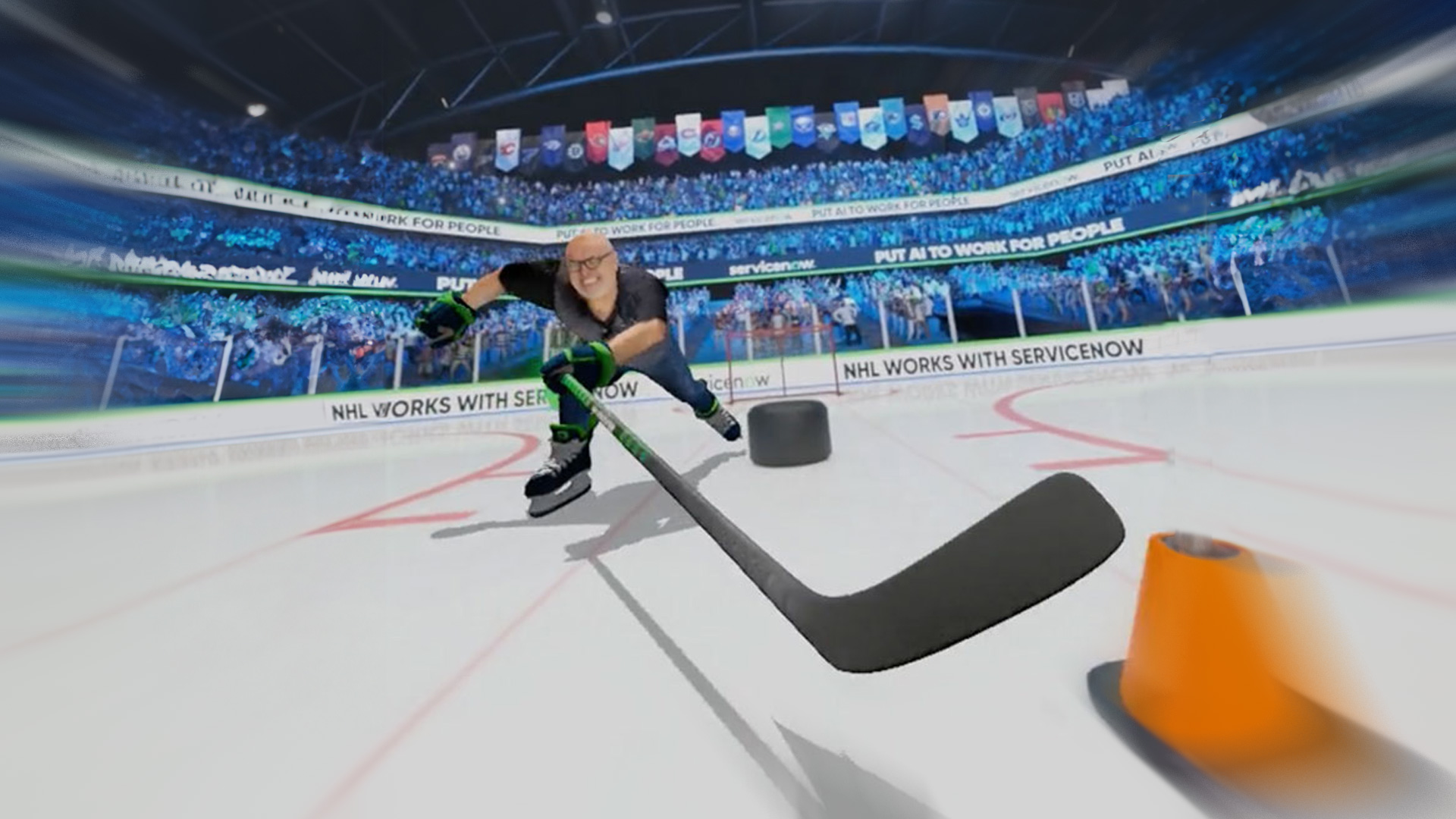
I structured the Blender side so the retarget scene, final renders, audio, and movie assembly could be updated independently instead of turning every change into a rebuild of the full pipeline. I also specified Blender 3.6.4 for production because, in my testing, it rendered this project faster than the newer versions. That is not an exciting feature until hundreds of people are waiting for personalized videos.

Then I worked through the actual soccer sequence. I updated the cameras and reframed shots so the action read better and the FIFA branding stayed visible. I revised the celebration, pulled a still-frame backup.
From there I packaged the retargeting and final movie-output path, tested it against different scans, and stayed on validation through the event window.
During the event, the pipeline processed new scans continuously with no need for manual intervention.
Constraints that mattered
High throughput. A personalized video is fun when it shows up a few minutes later. It is considerably less fun when the pipeline behind it starts becoming the attraction.
The final piece also had to feel like a soccer highlight, not a scanner demo. The dribble, header, cameras, celebration, branding, and final edit all had about twenty seconds to make the participant feel like they had just scored at the Club World Cup.

And every new person changed the input. Different heights, proportions, clothing, and scan geometry still had to make it through the same animation and camera setup without turning into a manual fix.
That is where having a production system I had already developed mattered. I could concentrate on what this activation actually needed instead of solving the same underlying problems again.
How we split it
The production already had the stadium environment, source player animation, lighting, and the rest of the event content.
My responsibility was the Blender side that turned each participant scan into the finished soccer sequence: adapting the retargeting pipeline for FIFA, refining the cameras and shots, keeping the output stages modular, and delivering and validating the final movie path for the live activation.
The larger scanner platform, event deployment, and backend were team work. My piece was making sure that once a scan reached Blender, it could reliably come back out as the video the fan was waiting for.
Awards
The production won Best of Category at the Horizon Interactive Awards (Kiosk / Public Exhibit / Museum / VR - Interactive).